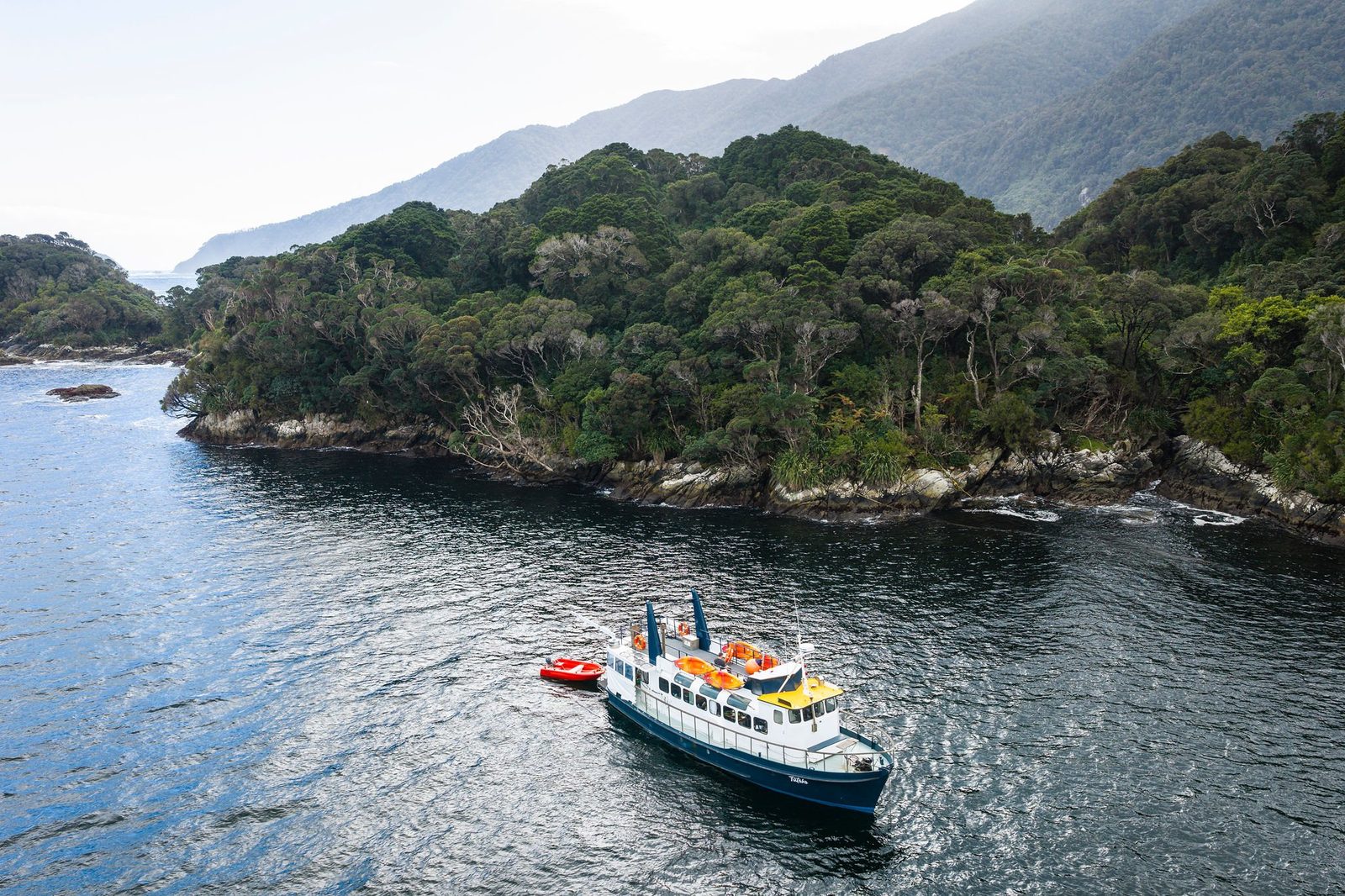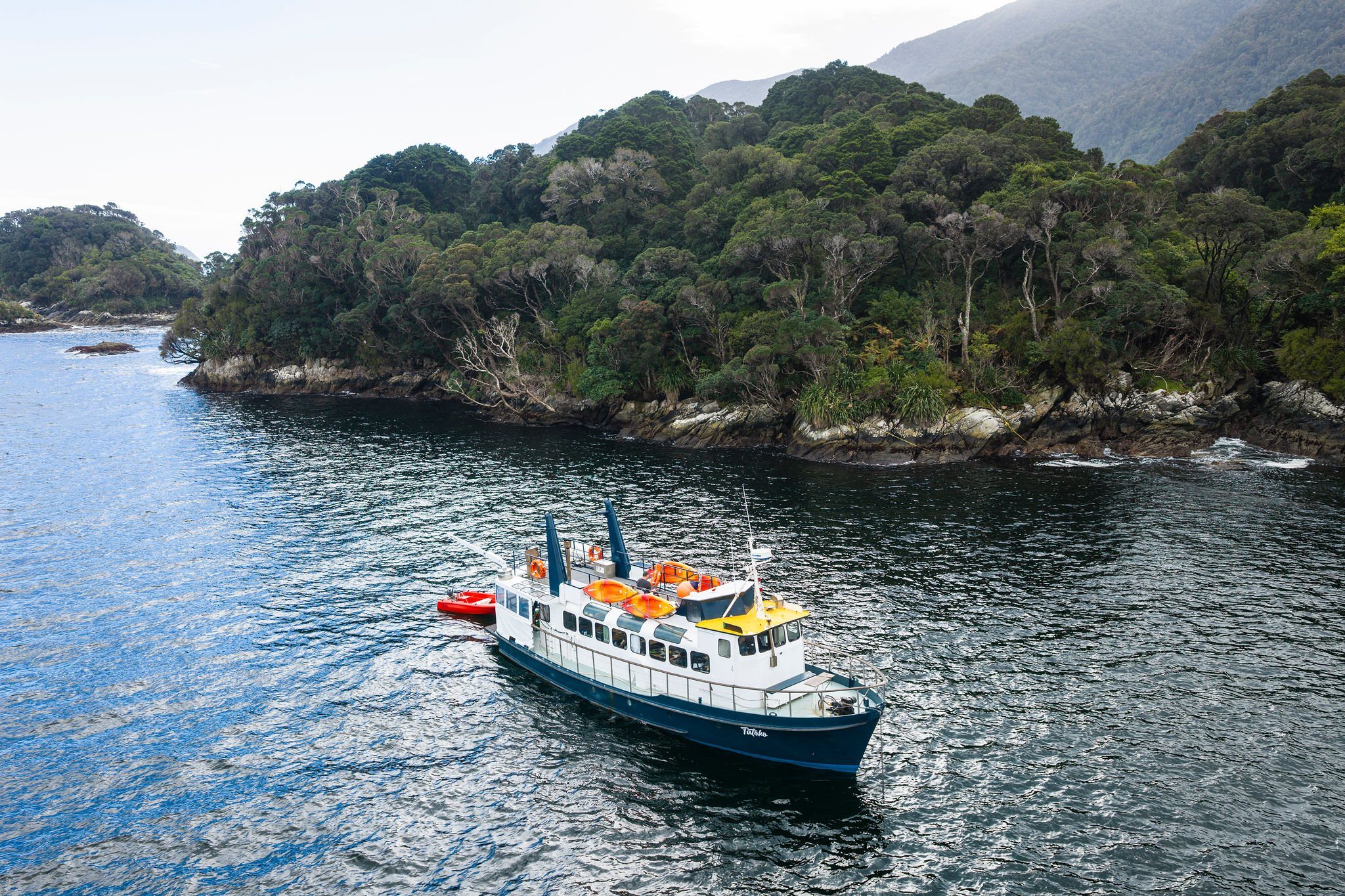
MV Tutoko at anchor near the Shelter Islands in Doubtful Sound, Fiordland, during the Tawaki Project nest survey

Wildlife and Conservation

Tawaki: the Fiordland
Crested Penguin

One of the world's rarest penguins nests in the rainforest above Doubtful Sound. Each spring our vessel and crew support the Tawaki Project's nest survey, and this is what we have learned about the bird, the work and the fiord.

Photo: Derek Morrison
Tawaki is the Māori name for the Fiordland crested penguin (Eudyptes pachyrhynchus), a yellow-browed penguin that breeds only in New Zealand and nests in coastal rainforest, mostly in Fiordland. It is hard to find because it nests out of sight, under roots and rock, along some of the most remote shoreline in the country.

That is why a small group of people who know the fiord matter. We have spent our working lives on Doubtful Sound, and for the Tawaki Project that means anchorages, shorelines and weather that most visitors never see.

Fiordland Crested Penguin at a Glance

Māori nameTawaki
Common namesFiordland crested penguin, sometimes called the jungle penguin
Scientific nameEudyptes pachyrhynchus
Where it breedsOnly in New Zealand, mainly Fiordland and the southwest coast of the South Island, with smaller numbers on Stewart Island and nearby islands
HabitatCoastal temperate rainforest, nesting in burrows, under tree roots and in rock crevices, often alone or in small groups
How to recognise itA bold yellow stripe sweeping back from the bill over each eye, fine white streaks on the cheeks, a stout reddish bill, about 55 to 60 cm tall
Breeding seasonRoughly July to November or December, depending on the year
Conservation statusAssessed by the Department of Conservation as a threatened species. See DOC for the current classification and population information.

Page last reviewed October 2026. Figures and status are drawn from the Department of Conservation and the Tawaki Project; check with them for the latest numbers.

Our Vessel, Our Crew, Their Science

The Tawaki Project studies the Fiordland crested penguin: where it nests, how many birds there are, and where they go. Every year its team runs a nest survey around Doubtful Sound, and Fiordland Expeditions supports it aboard our vessel with crew who know every arm and anchorage.

The work is slow and physical. Teams land by small boat, walk the shoreline, check known sites and look for new ones. A reliable vessel, a warm saloon, a good meal and a skipper who reads the weather are what keep a survey on schedule.

It is the kind of contribution we would rather do quietly than loudly. The fiord has looked after us for a long time, and this is one of the ways we look after it.

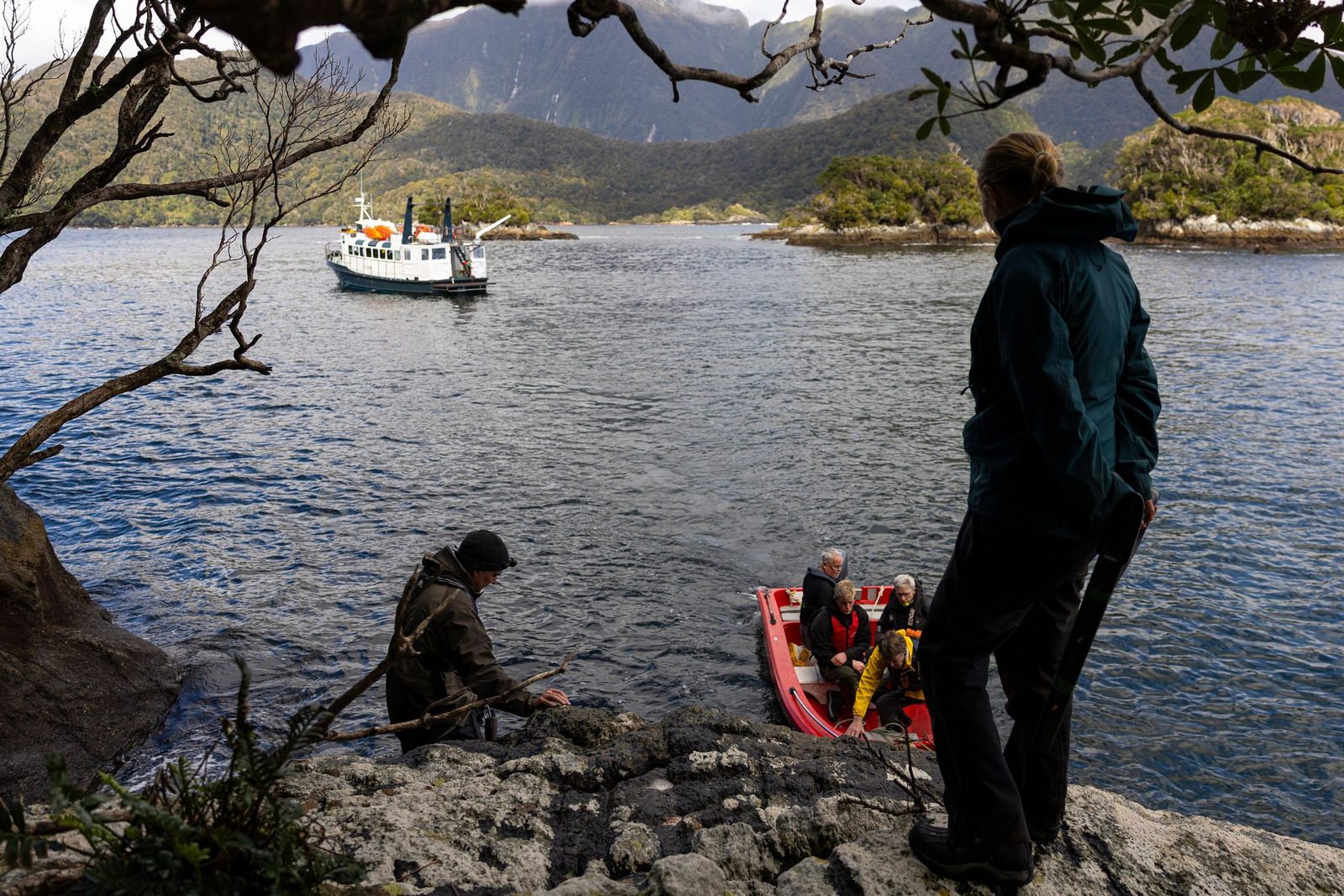
Tawaki Project survey team beside a Zodiac on the Doubtful Sound shoreline
The survey team ashore on the Doubtful Sound shoreline. Photo: Derek Morrison

Searching for Tawaki in Doubtful Sound

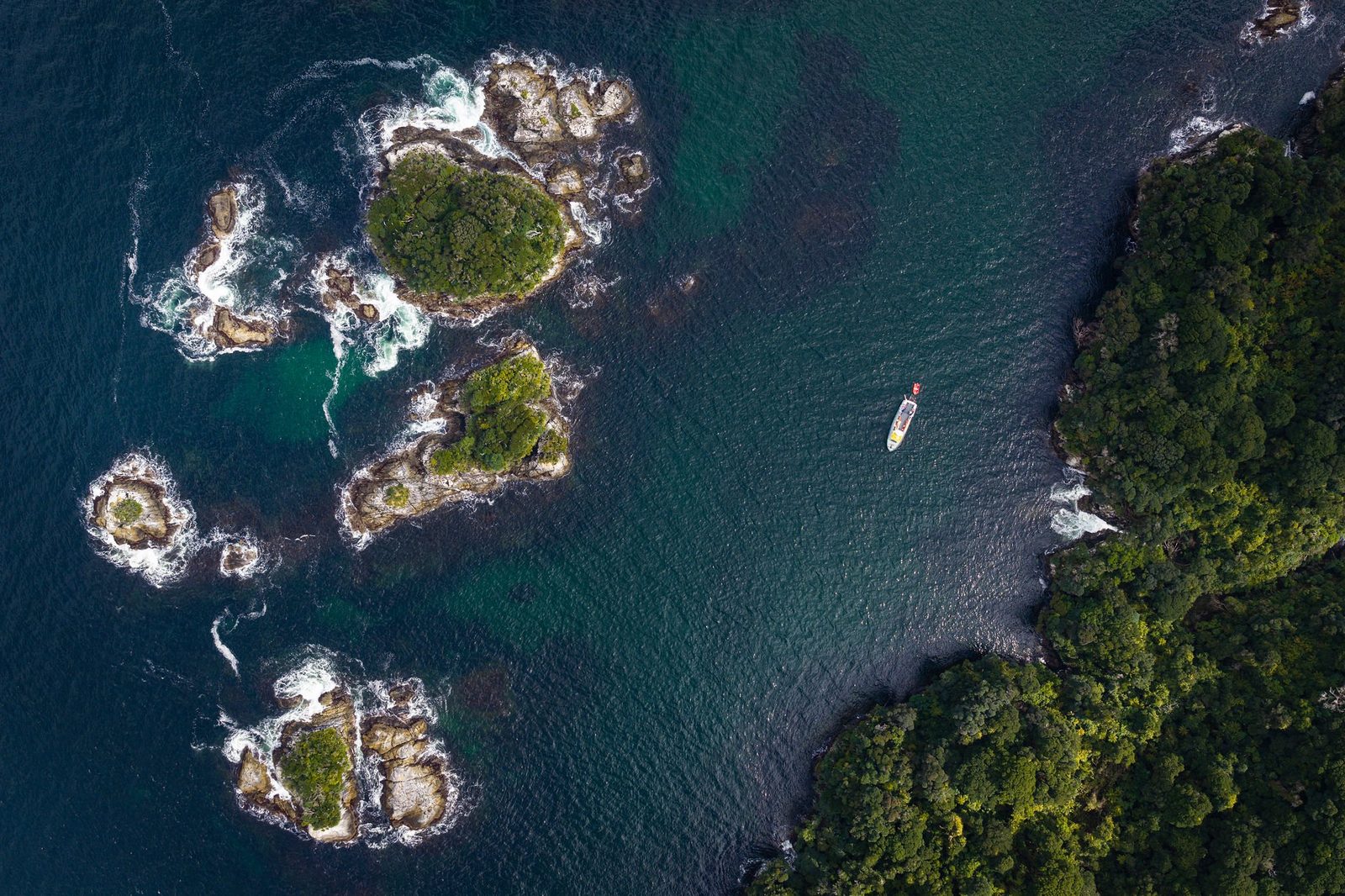
Aerial view of MV Tutoko searching for tawaki around the Shelter Islands, Doubtful Sound

The Shelter Islands

Searching for tawaki around the Shelter Islands. Photo: Derek Morrison

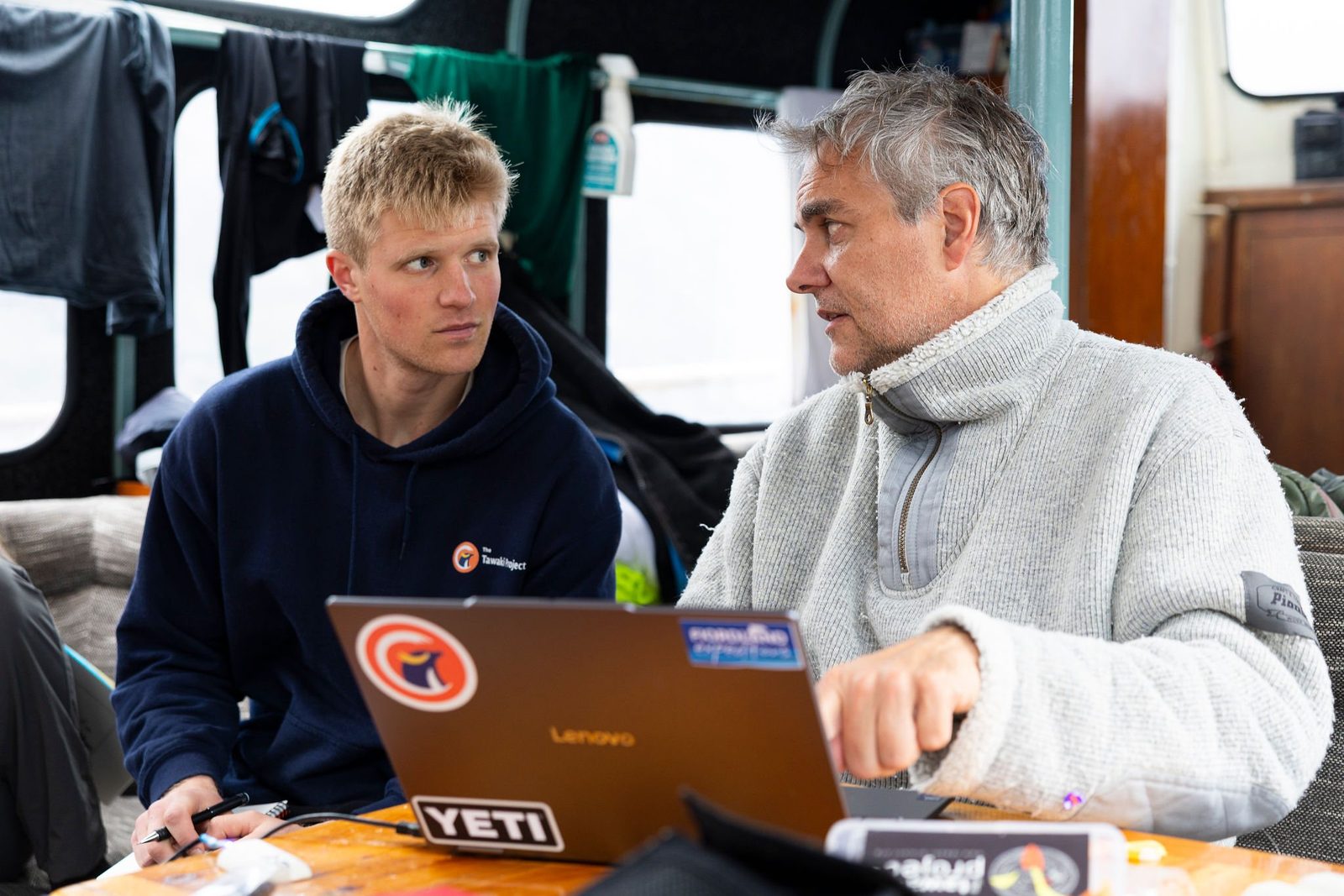
Tawaki Project researchers planning the nest survey with a laptop in the saloon of MV Tutoko

Planning the Day

Planning the day's survey in the saloon. Photo: Derek Morrison

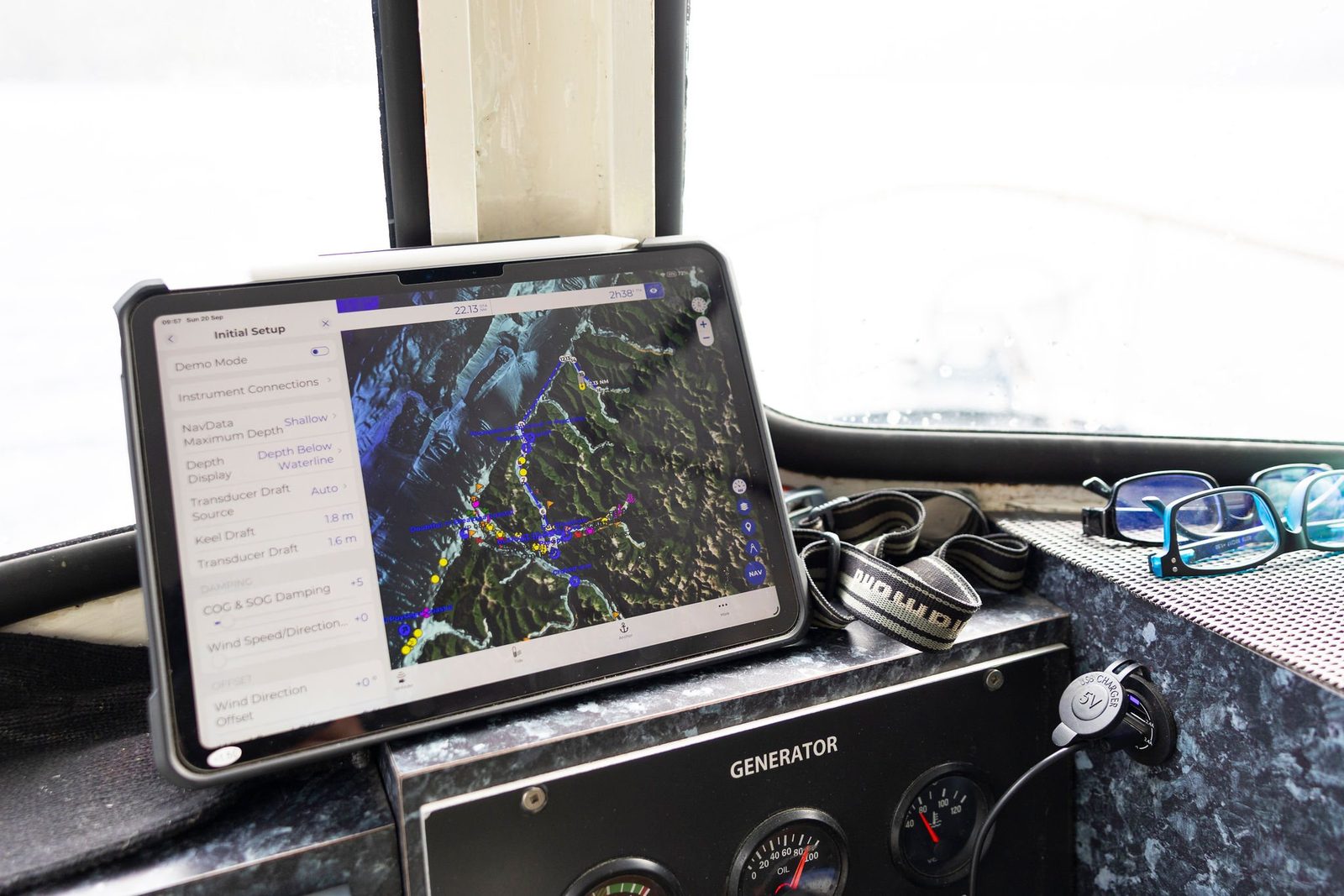
Tablet showing a nest survey map in the wheelhouse of MV Tutoko

The Wheelhouse

Survey maps in the wheelhouse. Photo: Derek Morrison

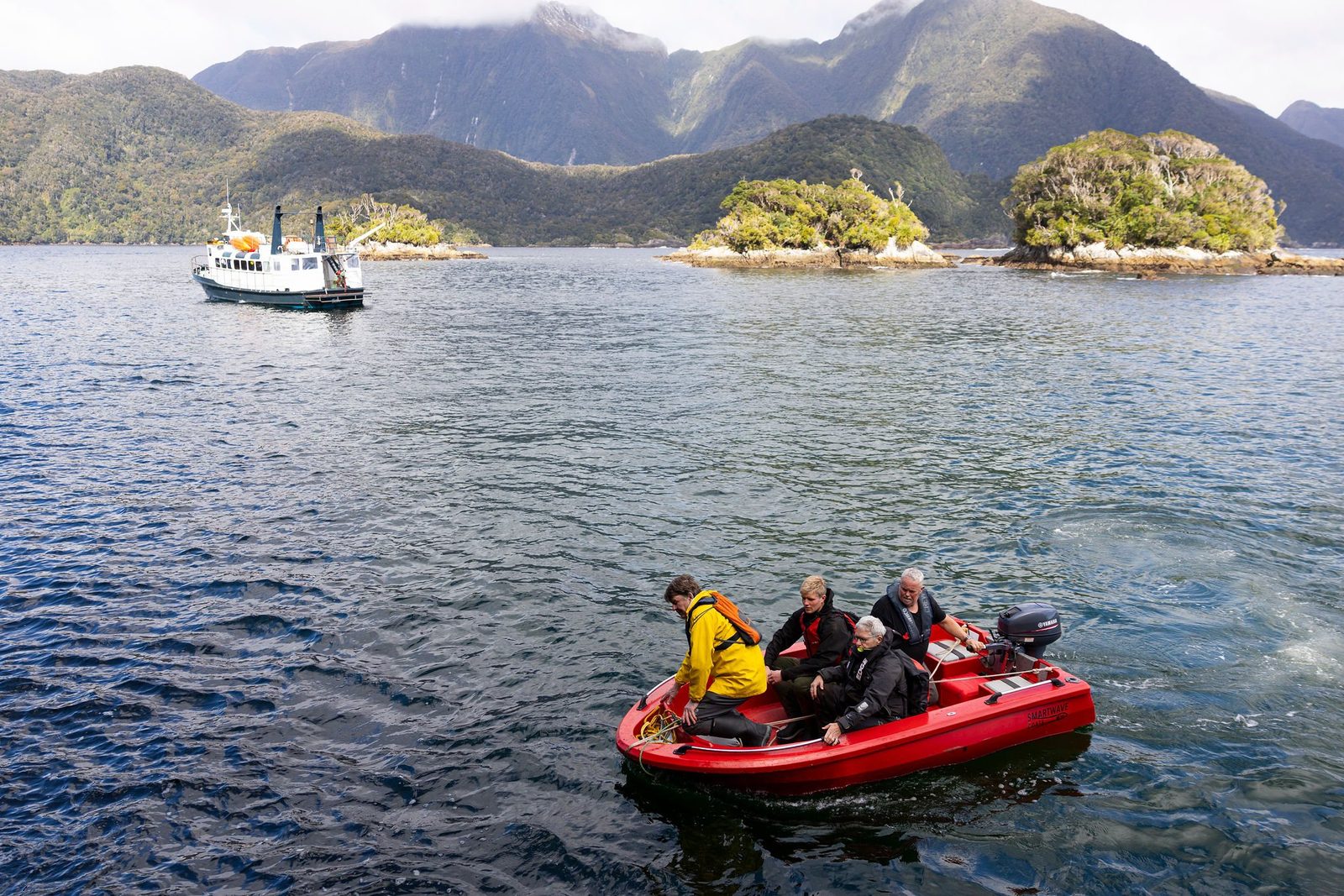
Tawaki Project team in a Zodiac approaching a rocky shoreline in Doubtful Sound

By Zodiac

By Zodiac to the next stretch of shoreline. Photo: Derek Morrison

Aerial view of the Shelter Islands in Doubtful Sound, Fiordland

From Above

The Shelter Islands from above. Photo: Derek Morrison

What to Expect, Honestly

Tawaki are wild birds that nest out of sight, so we never promise a sighting and we do not stage encounters. What we can promise is a crew who know where to look, the time to look properly, and a fiord that is worth the trip whatever the penguins decide.

The best odds are during the breeding season, roughly July to November. On the overnight cruise we are anchored in the fiord when the day boats have gone, which gives the quiet shorelines to us. Guests regularly tell us about wildlife they did not expect to see: dolphins, fur seals, rare seabirds and, now and then, tawaki.

"Richard found us five crested Fiordland penguins to observe. The activities, kayaking and fishing, were well organised, and chef Mikey's food including crayfish pulled from the sea was excellent."

Sightseer19709552702, TripAdvisor, December 2025

Tawaki FAQ

Tawaki is the Māori name for the Fiordland crested penguin (Eudyptes pachyrhynchus). It is a forest-nesting penguin that breeds only in New Zealand, mainly in the temperate rainforest of Fiordland and the southwest coast.
Yes. Tawaki is the Māori name and Fiordland crested penguin is the common English name for the same species. You will also see it called the jungle penguin, because it nests under rainforest canopy.
Tawaki nest in the forest along the fiord edge, often hidden under tree roots and rock overhangs, so sightings are never guaranteed. Our crew know the shorelines and rocks where birds come ashore, and the best chance is during the breeding season, roughly July to November.
The breeding season, from about July through to November or December, is when tawaki are most often at the coast. Outside it they spend long periods at sea. We cannot promise a sighting at any time of year.
The Tawaki Project is a research programme studying the Fiordland crested penguin, including its nesting, its movements at sea and the pressures on the population. Fiordland Expeditions supports the project's annual nest survey in Doubtful Sound with our vessel and crew.
We host the Tawaki Project's annual nest survey around Doubtful Sound aboard our vessel, with crew who know the fiord's anchorages, shorelines and weather. Guests on our cruises and charters also hear first hand how the work is done.
Our research charters are built for university teams, conservation groups and documentary productions. If you work in this field, tell us what you need and we will reply within 24 hours.
Keep a respectful distance, move slowly and quietly, never approach nests and follow your crew's instructions. Tawaki are sensitive to disturbance, especially while nesting.

More on Fiordland

Photography by Derek Morrison, used with permission. Fiordland Expeditions. Since 2004. Two vessels, one family.